

Mini Hippo Dog: Size, Temperament, and Facts
Leicester Echo >> Blogs>> Mini Hippo Dog: Size, Temperament, and Facts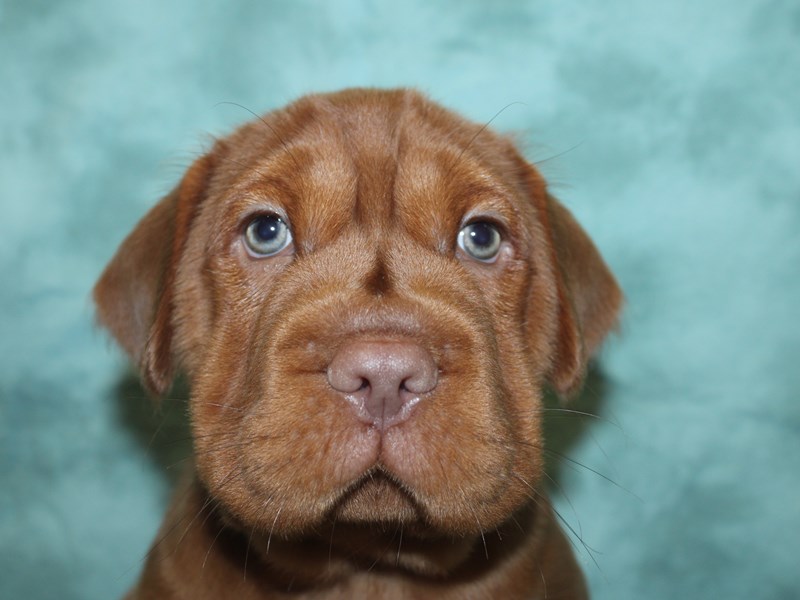
Mini Hippo Dog: Size, Temperament, and Facts
Recent viral fame of pygmy hippos like Thailand’s Moo Deng has sparked fresh attention on compact, wrinkled companions, drawing eyes to the Mini Hippo Dog as a canine echo of that charm. Breeders report rising inquiries for this Shar-Pei and Cocker Spaniel mix, with social media clips amplifying their squat snouts and playful rolls amid broader curiosity about designer hybrids. Public discussions now probe what this Mini Hippo Dog offers in size, temperament, and quirks, as owners share stories of their loyal, hippo-faced pets navigating family life. Coverage in pet circles highlights how the breed’s emergence ties into demands for sturdy yet cuddly dogs suited to apartments and active homes. No single event drives the moment, but cumulative posts and breeder listings suggest the Mini Hippo Dog is settling into conversations about viable small-to-medium alternatives to purebreds. Observers note variability in traits, prompting closer looks at what records show for these emerging mixes.
Size Variations
Adult Weight Ranges
Mini Hippo Dogs typically tip scales from 30 to 65 pounds, depending on parental lines and diet. Shar-Pei heft combines with Cocker Spaniel leanness, yielding broader frames in some litters. Owners observe that males often push toward the upper end, around 45 to 65 pounds, while females hover nearer 35 to 50. Feeding practices influence this; overfed pups balloon quickly due to stocky builds. Breeders emphasize portion control from puppyhood to cap growth sensibly. Public photos reveal discrepancies—some appear compact at 40 pounds, others bulkier post-maturity. No fixed standard exists, so expectations vary by lineage.
Height Measurements
Standing 14 to 21 inches at the shoulder marks the norm for Mini Hippo Dogs. Squarish bodies from Shar-Pei ancestry keep proportions blocky, rarely exceeding 21 inches even in taller Cocker influences. Puppies surge in height early, plateauing by 10 months. Apartment dwellers favor the shorter 14-to-18-inch variants for easier handling. Field reports from owners indicate exercise curbs leggy outliers. Measuring at withers avoids posture tricks; consistent records peg averages at 18 inches.
Puppy Growth Patterns
Puppies start tiny at 5 to 10 pounds, doubling weight monthly through four months. Rapid spurts hit between 3 and 6 months, mirroring Cocker vigor overlaid on Shar-Pei solidity. By six months, many reach 25 pounds and three-quarters adult height. Plateaus follow, with fills in chest and hips. Trackers note Shar-Pei lines slow earlier, avoiding lanky phases. Variability strikes—some lag, others surge based on nutrition.
Size Comparisons to Parents
Mini Hippo Dogs slot midway between Cocker Spaniel’s 24-to-29-inch span and Shar-Pei’s 18-to-20 inches. Weight mirrors this hybrid midpoint, undercutting full Shar-Pei bulk at 45-to-60 pounds while topping lighter Cockers at 20-to-30. Proportions blend Spaniel silkiness with Pei squareness, yielding hippo-like sturdiness. Owners liken them to amplified Corgis in footprint. Direct parent meetings reveal inheritance odds.
Factors Influencing Final Size
Genetics dictate 70 percent, per breeder notes, with Shar-Pei dominance pushing chunkier frames. Diet quality trumps quantity; high-protein feeds sustain lean muscle without fat. Neutering timing affects—early procedures sometimes trim endpoint by 10 percent. Activity levels shape too; sedentary pups widen, active ones elongate slightly. Health screens on sires filter extremes.
Temperament Traits
Loyalty Profiles
Mini Hippo Dogs bond fiercely, echoing Shar-Pei guardianship with Cocker devotion. They shadow owners indoors, alerting to doorstep noises. Family units report unwavering attachment, seldom wandering far. Strangers prompt watchful stares, not aggression. Early bonding cements this; rescues adapt slower. Public accounts stress their one-pack mindset.
Playfulness Levels
Bursts of energy surface in short chases or tug games, blending Spaniel glee with Pei restraint. Sessions last 20 minutes before naps appeal. Puppies romp endlessly; adults pace themselves. Toy rotation prevents boredom-induced chewing. Families note compatibility with kid-led play, tiring before chaos ensues.
Protectiveness Instincts
Inherited wariness manifests as deep barks at intruders, Shar-Pei style. They patrol yards methodically, rarely chasing beyond boundaries. Cocker softness tempers snaps, favoring standoffs. Socialization dials this down for visitors. Owners value the deterrent without constant noise.
Socialization Needs
Exposures from eight weeks build confidence, countering Pei independence. Puppy classes yield quick learners, mingling with peers. Delays foster shyness around dogs. Consistent positives override stubborn streaks. Records show well-raised ones thrive in multi-pet homes.
Family Compatibility
Gentle with children, they tolerate roughhousing better than fragile breeds. Supervision curbs mouthy phases in youth. Elderly owners appreciate moderate pace—no marathon demands. Multi-dog households succeed post-intros. Temperament scans predict harmony.
Origin Story
Parent Breed Histories
Shar-Pei traces to 200 BC China, guarding elites amid hunts and fights. Wrinkles aided grip in battles, evolving to farm sentinels. Cocker Spaniel, smallest sporting type, flushed game for hunters by 1800s, prized for merry hunts. English lines refined show traits. Crosses merged these for modern pets.
Development Timeline
United States breeders launched mixes in late 20th century, peaking post-2010 designer boom. No formal club sets standards; informal pairings chase hippo looks. Early litters varied wildly, stabilizing via selections. Recent years see breeder networks.
Breeder Motivations
Aims blend Pei’s calm with Cocker play, targeting family niches. Wrinkled appeal draws pygmy hippo fans. Health focus weeds extremes, though challenges persist. Marketplace responds to demand for novel companions.
Recognition Status
Lacks AKC purebred nod, circulating as designer hybrid. Rarity aids allure; no national registries yet. Local clubs promote via shows. Growth hints at future acknowledgment.
Cultural Emergence
Social clips propel visibility, tying to hippo memes. Urban adopters fuel spread, apartment-friendly size key. Niche fairs showcase pups.
Care Essentials
Grooming Routines
Weekly brushes suit bear or brush coats, clearing sheds. Wipe wrinkles daily to fend infections—moisture breeds trouble. Ear cleans biweekly, floppy types prone to yeast. Baths monthly max, dry shampoos preferred. Nail trims every six weeks.
Exercise Requirements
Daily 45-minute walks plus yard romps suffice, avoiding heat. Mental puzzles extend sessions. Puppies need controlled play; adults self-regulate. Swimming appeals, thorough dries mandatory.
Diet Recommendations
High-protein kibble, 2-3 cups split feeds, suits 40-pound adults. Grain-free aids skin. Portions adjust by activity—watch waistlines. Pups eat four times daily early.
Health Monitoring
Screen for entropion, hip dysplasia yearly. Ear checks catch otitis. Skin folds demand vigilance. Vaccinations standard; flea guards year-round.
Training Approaches
Positive reinforcement clicks fast, treats for sits. Stubborn days need patience. Crate early for house rules. Obedience classes shine.
Health Considerations
Common Genetic Issues
Entropion rolls lids inward, needing surgery often. Hip dysplasia limps larger frames. Ear infections brew in folds.
Skin Fold Management
Daily wipes prevent pyoderma. Dry thoroughly post-baths. Allergies itch seasonally.
Eye Condition Risks
Cherry eye protrudes glands; lubricate prophylactically. Conjunctivitis follows neglect.
Weight Control Strategies
Measure feeds precisely. Activity counters laziness. Annual weighs track.
Lifespan Expectations
10-15 years average, health care key. Genetics vary outcomes.
Recent breeder upticks and owner forums underscore the Mini Hippo Dog’s foothold amid hybrid trends, yet records leave gaps on long-term health baselines. Public shares affirm sturdy family roles, but variability in sizes from 30 to 65 pounds and temperaments blending loyalty with independence demands selective sourcing. No breed club standardizes traits, so parental health dictates puppy promise—meets with sires reveal much. Care routines, from wrinkle wipes to measured feeds, mitigate Shar-Pei legacies like entropion or otitis, though vigilance persists. Forward, as demand grows, ethical breeding may solidify profiles, clarifying what these hippo-mimics deliver beyond viral snaps. Unresolved questions linger on multi-generation stability, with owners awaiting broader data.
Related Post

Kalashtar DnD: Backstory, Culture, and Roleplay
Renewed curiosity around Kalashtar DnD surges amid fresh Eberron campaigns and the latest D&D supplements…