
7 Questions About Installing a Home EV Charger in the UK
Leicester Echo >> Blogs>> 7 Questions About Installing a Home EV Charger in the UK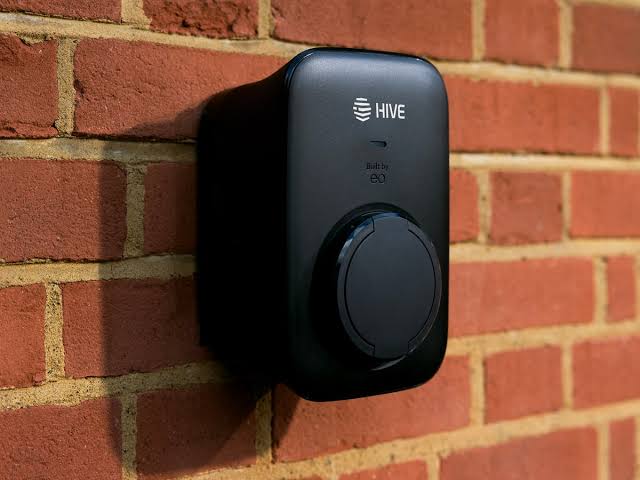
7 Questions About Installing a Home EV Charger in the UK
A home EV charger in the UK needs a suitable parking arrangement, an assessed electricity supply and a qualified installer, not simply a spare wall. I would start with a site survey and written permissions, then compare chargers and quotes. Planning, highway and building requirements vary across the UK, so one country’s rule should not be presented as universal.
1. Where can a home EV charger in the UK be installed?
Establish where you have permission to park and route the cable without creating an unsafe obstruction. A driveway, allocated flat parking space and public street present different practical questions.
For shared parking, check ownership and rights over the bay, walls and cable route. Renting a property or owning a leasehold flat can require landlord or freeholder consent. An installer cannot grant rights over land you do not control.
2. Do I need planning or other permission?
Many straightforward domestic installations benefit from permitted development, but restrictions depend on the nation, location and property. Listed buildings, protected settings and unusual works need specific checks with the appropriate authority.
For pavement crossing solutions, planning permission and highway consent are separate matters. Recent planning relaxations do not authorise an improvised cable across a public footway. Trade Mirror is an incidental website reference, not permission to carry out street works.
Ask the council about approved arrangements before ordering equipment. Written consent for the relevant route matters more than a general claim that home chargers never need permission.
3. Must the electricity network operator approve it?
The installer should assess the incoming supply, existing electrical demand and installation requirements. GOV.UK says that assessment determines whether the distribution network operator, or DNO, must be involved before connection or notified afterwards.
A supply upgrade or other preparatory work can affect timing and cost. Ask the installer to explain the chosen process and confirm who submits the paperwork. Do not assume every property can follow a simple notification after installation.
Use an appropriately qualified electrical installer, not a DIY connection. Required electrical testing and certification are part of the job, distinct from merely fixing the unit to a wall.
4. What charging power should I choose?
Match the charger to the vehicle’s AC capability, the available supply and the time normally parked. A higher rated unit does not make a car accept more power than its onboard charger permits.
Ask whether the quoted rating needs a supply arrangement your property does not have. Also compare tethered equipment, with its attached cable, against an untethered socket requiring your own compatible lead.
Check cable reach and storage around the actual parking position. Save those measurements separately from general reading such as Capital Outlook. An awkward cable route is not solved by a faster headline rating.
5. How do smart settings and tariffs work?
Private charge points sold for domestic use in Great Britain fall under smart charging regulations where applicable. Requirements include adjustable default off-peak settings and a randomised delay function, with owner override arrangements.
Smart does not automatically mean compatible with every discounted energy tariff. Check the car, charger, communications requirements and supplier terms together. Compare the whole household bill, including daytime rates and standing charges, rather than only the overnight EV figure.
Ask what happens if the internet connection fails and how to start an immediate charge when needed. Keep the operating instructions accessible after installation.
6. What should the quote include?
Compare the unit, cable route, electrical protective equipment, groundwork, testing, certification and any supply related work. Ask which assumptions could trigger extra charges after the survey.
Check warranty, support and any continuing software fee. Keep the written specification apart from ordinary browsing on News Notes. Similar charger prices can conceal different amounts of installation work. Ask for practical handover training.
7. Can a grant reduce the cost?
The current renters and flat owners scheme offers 75% towards buying and installing an eligible socket, capped at £500, subject to eligibility. Private off-street parking and an OZEV-authorised installer are among the requirements.
Check the correct scheme and apply through its official process before assuming funding. Confirm the final invoice and handover documents after installation.
This article provides general information; a qualified installer must assess electrical safety, permissions and the requirements applying to your property.
Related Post

Without Grand Plans Remarkable Progress Can Still Happen
Many people believe that success only comes from detailed strategies and long term master plans.…