Healing Thailand Cap: Cultural Meaning Explained
Leicester Echo >> Blogs>> Healing Thailand Cap: Cultural Meaning Explained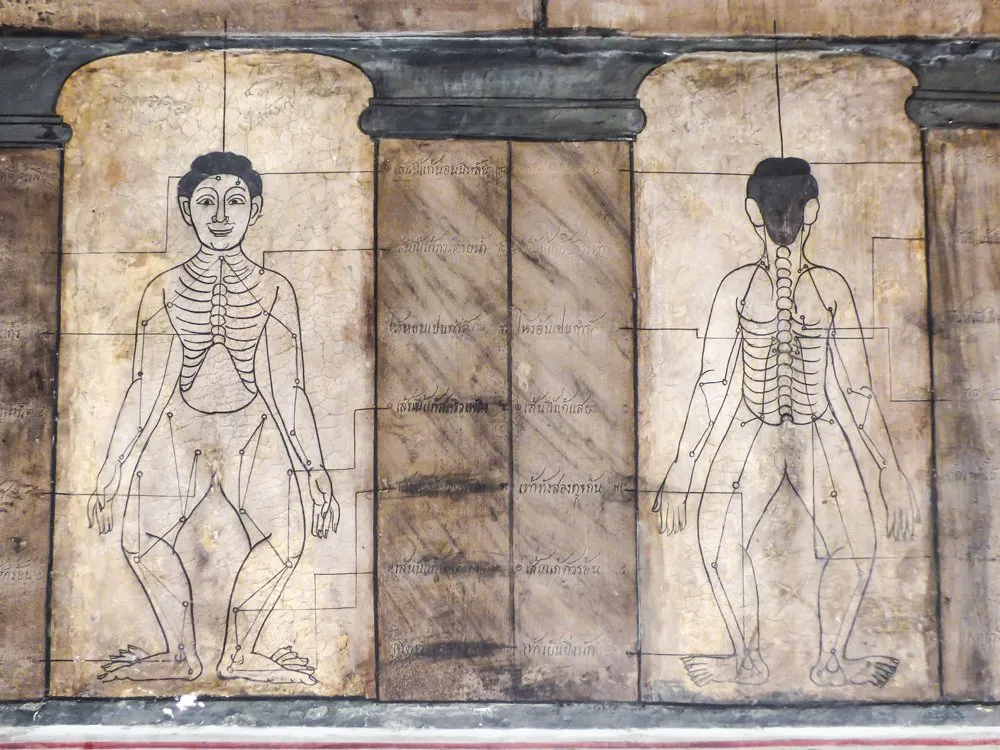
Healing Thailand Cap: Cultural Meaning Explained
Recent viral videos on social media platforms have spotlighted the Healing Thailand Cap, drawing fresh attention to this emblem from Thai traditions. Fighters in Muay Thai bouts don the cap during pre-fight rituals, prompting wider curiosity about its role beyond the ring. Discussions in cultural circles and wellness communities now probe deeper into what the Healing Thailand Cap signifies amid Thailand’s blend of martial heritage and spiritual practices. This surge follows high-profile matches and travel content that showcase Thai customs, pulling the cap into everyday conversations about identity and protection. Observers note how global audiences, scrolling through clips of ceremonies, pause on the ornate headpiece—its folds and colors evoking questions of ancient intent in modern contexts.
Origins in Thai Martial Heritage
Roots Tied to Ancient Warriors
Fighters wrapped cloth around heads during battles centuries ago, practical against sweat yet evolving into symbols. These early forms guarded against harm, scraps from family cloths carrying personal essence into combat. Over time, the Healing Thailand Cap emerged from such necessities, blending utility with ritual weight. In eras of constant conflict, Thai soldiers relied on these bindings, often infused with amulets for luck. The cap’s form solidified as Muay Thai formalized, marking a shift from battlefield improvisation to structured ceremony. Handcrafted details now reflect gym lineages, each thread echoing generations of fighters.
Influence from Buddhist Temples
Monks at sites like Wat Pho shaped the cap’s sacred aura, inscribing nearby walls with healing knowledge. Temples served as training grounds where martial skills met spiritual discipline, the Healing Thailand Cap bridging both worlds. Cloth pieces gained layers of meaning through blessings, positioned above eyebrows to honor teachers. This fusion drew from Pali texts, adapting foreign ideas into local practice. Fighters received caps during initiations, the headpiece channeling monastic protection into physical trials. Enduring through dynasties, it stands as a vessel for temple wisdom applied to human frailty.
Evolution Through Royal Patronage
Kings like Rama III commissioned medical carvings that paralleled cap rituals, elevating everyday objects to cultural icons. Court doctors consolidated traditions, weaving royal favor into the Healing Thailand Cap’s prestige. During Ayutthaya periods, elite warriors sported ornate versions, signaling status amid warfare. The cap’s designs incorporated palace motifs, gold threads denoting favor. Modern stadiums preserve this lineage, trainers blessing caps before bouts. Yet shifts in cloth quality hint at commercialization, though core symbolism persists unaltered.
Transmission Across Gyms and Camps
Rural camps pass crafting techniques orally, each Mongkol unique to its lineage. Urban dojos adapt patterns, yet retain protective incantations whispered during tying. The Healing Thailand Cap travels with migrating fighters, carrying camp spirits to international rings. Veterans mentor youth in folding rituals, ensuring no detail fades. Global tours expose it further, sparking adaptations abroad while purists guard originals. This chain links isolated villages to Bangkok arenas seamlessly.
Impact of Colonial Encounters
Foreign observers documented caps during 19th-century visits, noting their role in resilience. Traders and diplomats remarked on the Healing Thailand Cap’s presence in village defenses, mistaking symbolism for superstition. Such accounts fueled outsider fascination, preserving details lost locally. Post-war revivals emphasized it against modernization pressures. Today, archived sketches inform replicas, bridging historical gaps.
Ritual Significance in Ceremonies
Placement During Wai Kru Dance
Trainers position the Healing Thailand Cap precisely before kneeling bows, three gestures honoring parents, mentors, deities. Above the brows, it focuses intent, drawing ancestral energy downward. Fighters feel its weight settle, minds sharpening amid crowd roar. Removal signals release into battle, trainer’s hands reversing the bind. This rhythm underscores humility before aggression.
Role in Ram Muay Performance
Choreographed steps under the cap pay homage to gym lineages, movements fluid yet deliberate. The Healing Thailand Cap crowns the dancer, stabilizing head turns that trace spiritual paths. Spectators glimpse geometry in folds, mirroring temple spires. Post-dance, it rests ring-side, never touching ground—bad omen avoided. Sequences vary by region, northern styles slower, southern sharper.
Blessings and Prayers Invoked
Short chants accompany tying, invoking guardians against misfortune. The Healing Thailand Cap absorbs words, cloth vibrating with spoken power. Trainers vary phrases by fighter’s needs—strength for novices, calm for veterans. Silence follows, cap’s presence amplifying inner resolve. Post-match returns seal cycles, gratitude exchanged wordlessly.
Symbolism of Removal Before Combat
Trainer’s untying frees the spirit, cap laid atop posts like surrendered ego. Fighters step forward unencumbered, yet protected invisibly. This act transitions ritual to reality, crowd hushed in transition. Reused caps accumulate bouts, potency growing with scars. Lost ones demand replacements blessed anew.
Variations by Regional Customs
Isan fighters favor coarser weaves, southern finer silks for agility. The Healing Thailand Cap adapts, northern versions bulkier for endurance rites. Island camps incorporate sea motifs, shells woven for voyage luck. Core rite endures, local flavors enriching unity.
Symbolic Designs and Colors
Red for Courage and Vitality
Crimson dominates traditional Mongkols, evoking bloodlines unbroken through strife. Fighters choose red for bold entrances, color pulsing with arena lights. Deeper shades signal veteran status, lighter for rising stars. The Healing Thailand Cap in red wards fatigue, legends claim. Weavers dye with natural roots, tones varying harvest to harvest.
Blue Denoting Calm Control
Azure bands steady nerves, countering adrenaline floods. Worn by tacticians, blue Healing Thailand Cap tempers fury into strategy. Folds catch light subtly, unlike flashier hues. Gyms reserve it for title defenses, poise paramount. Blends with white emerge in hybrids, balancing traits.
White Purity in Discipline
Unstained cloth signifies clean slates, post-training rituals whitening prior colors. The Healing Thailand Cap gleams under spotlights, humility manifest. Novices don white exclusively, graduating to mixes. Stains from sweat honor efforts, patina prized over perfection.
Gold Threads of Prestige
Rare metallic weaves mark champions, sunlight glinting off peaks. Gold-edged Healing Thailand Cap denotes excellence, trainer’s highest nod. Limited to proven warriors, it weighs heavier with embroidery. Fading demands retirement, stories etched in shine.
Custom Patterns by Gym Identity
Logos nestle in folds, threads spelling camp names phonetically. Unique motifs distinguish rivals, scouts identifying allegiances pre-bell. The Healing Thailand Cap becomes banner, waved in victory laps. Evolutions track gym histories, mergers blending designs.
Contemporary Adaptations and Global Reach
Integration into Wellness Tourism
Travelers seek cap blessings at spas, blending Muay rites with massages. Wellness retreats craft tourist versions, silk softer for daily wear. The Healing Thailand Cap graces yoga mats, protection repurposed for stress. Guides explain ties loosely, preserving mystique.
Influence on Fashion and Merchandise
Designers lift folds for runway headpieces, Thai motifs abstracted globally. Stadium shops sell replicas, colors standardized for export. Authentic Healing Thailand Cap fetches premiums online, fakes flooding markets. Wearers abroad claim luck, anecdotes proliferating.
Digital Spread via Social Media
Clips of tying rituals rack views, hashtags amplifying reach. Influencers don caps for challenges, fusing fitness trends. Viral breakdowns dissect folds frame-by-frame. Global fans commission customs, shipping delays testing patience.
Preservation Efforts in Modern Thailand
Cultural ministries fund weaving classes, elders training youth. Festivals showcase heirloom Healing Thailand Caps, competitions judging authenticity. Museums display evolutions, timelines tracing wars to rings. Youth camps mandate rites, bridging urban drifts.
Challenges from Commercialization
Mass production dilutes blessings, factory caps lacking chants. Purists decry synthetics, pushing heritage labels. Rising fighter pay spurs ornate commissions, extravagance clashing tradition. Balances tilt, yet core demand sustains craftspeople.
The public record on the Healing Thailand Cap reveals a resilient symbol, rooted in Muay Thai’s warrior ethos yet extending into broader Thai healing paradigms—from herbal compresses echoing cap protections to meditative rites aligning body elements. Confirmed traditions center on its martial role, trainer blessings and ritual placements well-documented across stadiums and texts. Less clear remains its precise pre-Muay Thai origins, whispers of battlefield rags yielding to formalized craft without unbroken chains. Contemporary uses in wellness and fashion expand reach, yet dilute ritual gravity, as tourists tie their own sans lineage. No central authority dictates designs, allowing regional drifts that enrich yet fragment meaning. Forward, as Thailand navigates globalization, the cap’s fate hinges on youth embracing rites amid digital distractions—will stadium cheers evolve it further, or anchor it as heritage relic? Unresolved tensions between preservation and adaptation leave its cultural pulse quickening unpredictably.
Related Post

Talita Roberta Pereira public profile summary and overview
Introduction In my 15 years leading teams and working alongside diverse professionals, I've observed how…